
Online shopping
Online shopping

Factsheet

Online shopping

Payment methods on the internet

Credit card

Credit card

  • Only available from the age of 18 and with a regular income.
  • Enter credit card information online; monthly billing.
  • Measures to make payments more secure such as MasterCard Secure Code or Verified by Visa (passwords, codes and encrypted connections).
  • Fees vary depending on provider.
✓ Pro ⨯ Contra
Quick and uncomplicated Risk of debt
Accepted almost everywhere Card and foreign exchange fees
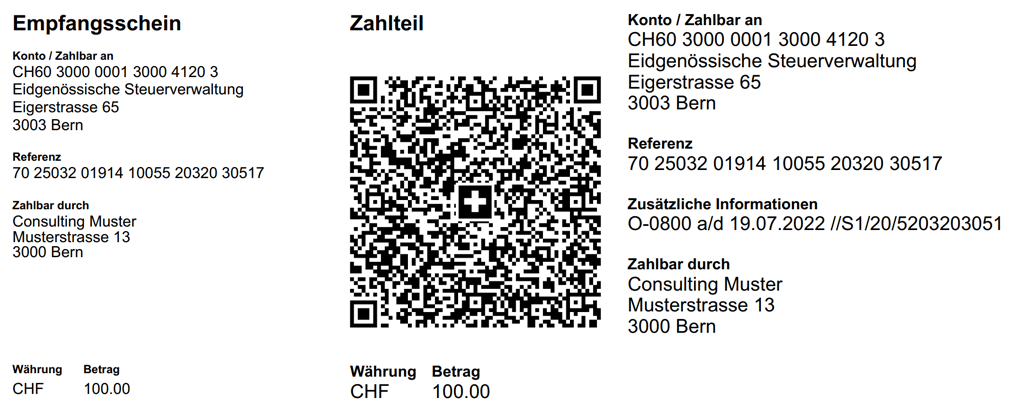
QR-bill, prepayment and transfer

QR-bill

  • Invoice with QR code, is usually delivered along with the goods.
  • You have 10–30 days to pay the invoice. Some shops require payment before delivery (prepayment).
  • Invoices can be paid via online banking, mobile banking, Twint (not all shops), or by Postfinance card, bank card, or cash at post office counters.
✓ Pro ⨯ Contra
Secure payment Risk of forgetting to pay the invoice if you lose overview
Payment of invoice only after receipt of the goods Some online shops only accept prepayment

Prepaid credit card

Prepaid credit card

  • Usually available from 14 years of age; signature of legal representative is required.
  • Available at banks, post offices and kiosks. At banks and post offices you need to establish an account.
  • Works like a credit card for cashless payments online and abroad, for example.
  • Fees vary depending on provider.
✓ Pro ⨯ Contra
Quick and uncomplicated Relatively high fees
Accepted almost everywhere Need to keep depositing money
Expenses management, since only amounts paid in (pre-paid) can be spent  
Online payment service such as PayPal

PayPal

  • Third-party providers for online payments.
  • Pay online via PayPal account, where you deposit your credit card information or a credit balance.
  • Payment is made using email address and password (text message optional).
  • Credit card or account information is not passed on to the online shop.
  • Partial buyer protection: General terms and conditions (GTC) and the corresponding guidelines set out a baseline.
✓ Pro ⨯ Contra
Increased security because data is not passed on Fees, especially for currency conversion
Partial buyer protection (as defined in GTC) Complete security cannot be guaranteed (watch out for phishing mails)

Mobile payment solutions such as Twint

Twint

  • Mobile payment app that requires a smartphone with a Swiss phone number.
  • Available as a prepaid app (minimum age 12 years) or linked to a bank account at most Swiss banks (except for e.g. Bank Cler and Basler Kantonalbank).
  • Desktop: Paying by scanning the QR code of online shop. Mobile: Paying directly in Twint app.
✓ Pro ⨯ Contra
Works with almost all iOS and Android smartphones Only works for Swiss online shops
Quick and uncomplicated  
Debit cards such as Debit Mastercard or Visa Debit

Debit card

  • Unlike credit cards, debit cards are linked to a bank account.
  • In principle, the new debit cards from Mastercard and Visa work in all online shops that also accept their credit cards.
  • Fees vary depending on provider.
✓ Pro ⨯ Contra
Lower fees than for credit cards Lower acceptance than for credit cards, e.g. for car rentals or hotel reservations
Quick and uncomplicated Payments are debited immediately from the account

Buy now, pay later (BNPL) services such as Klarna

Klarna

  • Must be 18 or older, with a valid debit card and a mobile number
  • Available payment options in Swiss online shops
    • ‘Pay instantly’: Payment is triggered immediately, either via instant transfer or credit/debit card.
    • ‘Pay in 30 days’: Invoice is due 30 days after dispatch.
    • ‘Pay in 3’: First instalment at checkout, the two remaining instalments automatically deducted within 60 days; free of interest and charge.
  • Credit check: For ‘Pay in 30 days’, Klarna requests a credit check from CRIF or Bisnode, which can influence your credit score.

Note: Payment conditions vary depending on provider (such as Cembra Pay, Klarna, Powerpay, Twint, etc.).

✓ Pro ⨯ Contra
Flexibility for larger payments Risk of debt (reminder fees from the first reminder and interest on arrears)
No direct liquidity outflow Possible credit score update
  Only usable online; retailer acceptance varies
Burden of payment obligations